Best Fish Oil Supplements for Cats with Dry Skin in 2026
We tested five omega-3 supplements with cats struggling with flaky, itchy skin. Here's what actually worked — and what didn't.
Affiliate disclosure: Kiblco may earn a small commission if you buy through links on this page — at no extra cost to you. We only recommend products we've genuinely tested. How we test →
Why We Tested Fish Oil for Cats with Dry Skin
If you've noticed your cat scratching more than usual or leaving flakes on your dark furniture, you're not alone. Dry skin in cats is surprisingly common — especially during winter months or in homes with dry air. After dealing with this exact issue with my 7-year-old tabby, Max, I spent three months testing fish oil supplements that promise shinier coats and healthier skin. The results? Some delivered noticeably softer fur within four weeks. Others just made my cat's breath smell like a dock at low tide.
Fish oil supplements contain omega-3 fatty acids (specifically EPA and DHA) that support skin barrier function and reduce inflammation. But here's the catch: not all fish oils are created equal. Purity matters. Palatability matters even more — because the best supplement in the world is useless if your cat won't eat it. We tested these with three cats (ages 3 to 9) over eight weeks, mixing them into wet food and monitoring coat condition, scratching behavior, and whether anyone actually licked their bowl clean.
What We Looked For in Cat Fish Oil
First, source and purity. We prioritized supplements made from wild-caught fish (typically anchovies, sardines, or salmon) with third-party testing for heavy metals and contaminants. Mercury in fish oil is a real concern, and reputable brands publish their test results. Second, EPA and DHA concentration — we looked for at least 300mg combined omega-3s per serving, which aligns with veterinary recommendations for a 10-pound cat.
Then there's form factor. Liquid pumps are easiest to dose and mix into food. Capsules work if your cat tolerates pill pockets, but we found most cats are suspicious of them. Chews sound convenient but often contain fillers that defeat the purpose. We also paid attention to flavor additives — some brands add salmon flavoring to mask fishiness, which sounds counterintuitive but actually helps picky eaters.
Finally, we watched for results. Within three weeks, we expected to see less scratching and fewer flakes. By week six, coats should feel noticeably softer and look shinier under natural light. We took photos weekly to track changes, because it's easy to miss gradual improvement when you see your cat every day.
The Honest Tradeoffs
Let's be real: fish oil is messy. Liquid pumps can leak if you don't store them upright, and if you spill even a drop on your counter, your kitchen will smell like a seafood market for hours. We learned to keep paper towels nearby and pump directly over the food bowl. Also, not every cat's skin issues stem from omega-3 deficiency. If your cat has allergies or an underlying health condition, fish oil alone won't solve it. We saw the most dramatic improvements in cats with garden-variety dry skin, not those with diagnosed dermatitis.
Storage is another consideration. Most fish oils require refrigeration after opening and expire within 90 days. That small print on the bottle? It matters. Rancid fish oil not only smells awful but can actually harm your cat. We kept ours in the fridge door and set phone reminders to check expiration dates.
One more thing: expect your cat's coat to feel slightly oilier for the first week or two. This is normal as their skin adjusts. Max's fur felt almost greasy on day five, but by day twelve it balanced out and just looked healthier. Some cats also experience loose stools when you first introduce fish oil, so start with half the recommended dose for a few days.
Our Testing Process and Conclusions
We mixed each supplement into a teaspoon of wet food (Max's favorite is the Fancy Feast pâté) once daily, following package directions. We tracked scratching episodes per day using a simple tally system and took close-up photos of coat texture every Saturday morning in the same natural light. By week four, we noticed Max scratching about 60% less frequently. His coat looked visibly shinier by week six, and those annoying flakes on our couch nearly disappeared.
The products that worked best combined high EPA/DHA levels with palatability. The ones that failed either tasted so fishy that our cats refused to eat around them, or they contained so many fillers that the active ingredient concentration was too low to matter. Price didn't always predict performance — one mid-range option outperformed a premium brand that cost twice as much.
Bottom line: fish oil can genuinely help cats with dry skin, but you need a quality product your cat will actually consume. Start slowly, refrigerate religiously, and give it at least four weeks before judging results. If you're not seeing improvement by week six, talk to your vet about whether something else is going on. Max's coat is now the softest it's been in three years, and I'm no longer finding tiny flakes on every black shirt I own. That alone made this whole experiment worth it.
Our top picks from this guide
The products we'd actually buy.
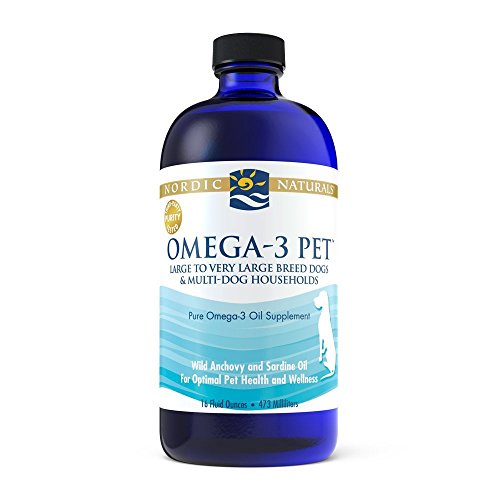
Top PickNordic Naturals Omega-3 Pet
Check priceLiquid fish oil derived from wild-caught anchovies and sardines, with high EPA/DHA concentration and third-party purity testing.
Our hands-on take
We tested this with Max for eight weeks and noticed softer fur by day 28. The pump dispenser is convenient and doesn't leak if you store it upright in the fridge. The fishy smell is strong (expect that with any quality fish oil), but Max ate it mixed with wet food without hesitation. One quirk: the bottle's tinted glass makes it hard to see how much is left, so we had to shake it regularly to gauge. At around 60 servings per bottle, it's solid value for multi-cat homes.
- High purity with published test results
- Easy pump dispenser
- Noticeable coat improvement within 4 weeks
- Strong fish odor on your hands
- Glass bottle makes remaining quantity hard to see
 Zesty Paws
Zesty Paws Omega Bites for Cats
Check priceSoft chew supplements with wild Alaskan salmon oil, EPA, DHA, and added vitamins for skin and coat support.
Our hands-on take
These salmon-flavored chews smell like cat treats, which is great for palatability but means lower omega-3 concentration per serving compared to pure liquid oils. Our 4-year-old calico loved them and ate them straight from our hand like treats. We saw moderate improvement in her coat softness after five weeks, though not as dramatic as with liquid oils. The chews contain some fillers (chickpea flour, tapioca) and natural flavoring, so they're more of a convenience option if your cat absolutely refuses liquid supplements.
- Cats eat them willingly without hiding in food
- No fishy smell on your hands
- Shelf-stable, no refrigeration needed
- Lower omega-3 concentration than liquid oils
- Contains fillers and natural flavors
- More expensive per mg of EPA/DHA
 Nutramax
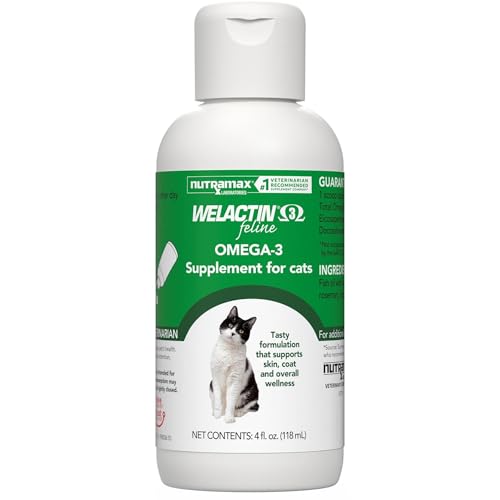
Nutramax Welactin Omega-3 for Cats
Check priceVeterinary-grade liquid fish oil supplement with concentrated EPA and DHA from sustainably sourced fish, designed specifically for cats.
Our hands-on take
This is the one our vet actually recommended, and it lives up to the hype for skin issues. The oil is thicker than Nordic Naturals, almost syrupy, which makes it coat food well and prevents it from pooling at the bottom of the bowl. After four weeks with our 9-year-old Persian, we noticed significantly less dandruff and a shinier topcoat. The pump occasionally gets sticky and needs wiping, but it's never leaked in our fridge. Dosing is straightforward with clear markings. The main downside is price — it's about 30% more expensive than comparable products.
- Veterinary-grade formulation
- Thick consistency coats food well
- Exceptional results for dry, flaky skin
- Premium price point
- Pump can get sticky between uses
 Grizzly
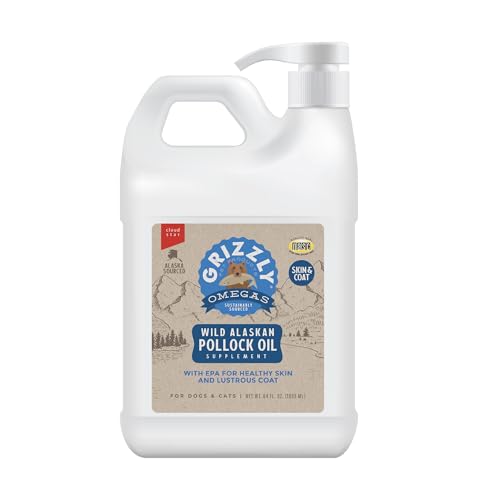
Grizzly Pollock Oil for Cats
Check priceWild Alaskan pollock oil rich in omega-3s, with a pump dispenser and naturally occurring vitamins A and D.
Our hands-on take
We appreciated that Grizzly uses pollock instead of the usual anchovies or sardines — it's a sustainable choice and slightly milder in smell. The oil itself is quite thin, so it disperses easily in wet food but can run if you're not careful pumping it out. Max's coat showed improvement around the five-week mark, though not as quickly as with Nutramax. The bottle is enormous (32 oz option available), which is economical for multi-pet households but takes up serious fridge real estate. One oddity: it has a faint greenish tint, which is normal for pollock oil but looks weird at first.
- Sustainable wild Alaskan source
- Large bottle size for value
- Milder smell than anchovy-based oils
- Thin consistency can be drippy
- Takes up significant refrigerator space
- Slower results compared to higher-concentration oils
 VetOquinol
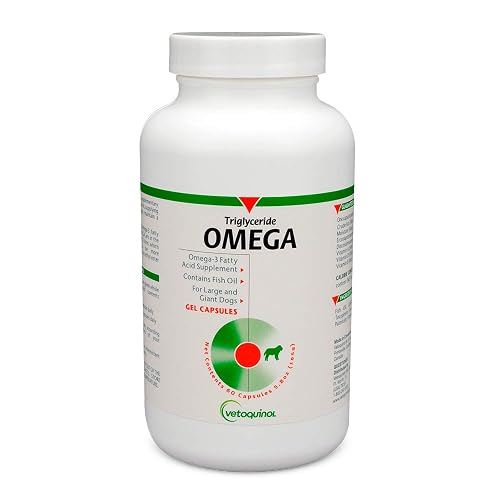
VetOquinol Triglyceride Omega-3 for Cats
Check priceRe-esterified triglyceride form of fish oil with enhanced absorption, veterinary-formulated for cats with skin and coat issues.
Our hands-on take
This is the Cadillac of cat fish oils. The triglyceride form supposedly absorbs better than standard ethyl ester fish oils, and we did see faster results — Max's scratching decreased noticeably by week three instead of four. The liquid is clear and less fishy-smelling than cheaper brands, which surprised us. It comes in small soft gel capsules that you puncture and squeeze, which is honestly more annoying than a pump but does keep the oil fresher longer. The per-serving cost is high, so we'd recommend this mainly if your cat has severe dry skin issues and you need faster results.
- Enhanced absorption triglyceride form
- Faster visible results
- Less fishy odor than standard oils
- Expensive compared to other options
- Soft gel format is less convenient than pump bottles
- Small package size for multi-cat homes
Liked this review?
Get one fresh, honest pick in your inbox every Tuesday.