Best Orthopedic Dog Beds for Arthritis & Hip Dysplasia (2026)
We tested orthopedic beds with our senior dogs to find which ones actually ease joint pain and last through years of use.
Affiliate disclosure: Kiblco may earn a small commission if you buy through links on this page — at no extra cost to you. We only recommend products we've genuinely tested. How we test →

Why Orthopedic Beds Actually Matter
Watching your dog struggle to get comfortable at night is heartbreaking. After our 9-year-old Golden Retriever started favoring his left hip, we went down the rabbit hole of orthopedic beds — and quickly realized most marketing claims are just that: claims. We spent three months testing beds with dogs ranging from a 12-year-old Shepherd mix with arthritis to a 6-year-old Rottweiler recovering from hip surgery. The difference between a true orthopedic bed and a regular one stuffed with extra foam? Your dog will show you within the first week.
Orthopedic beds use memory foam or high-density foam to distribute weight evenly, reducing pressure on joints. But thickness alone doesn't tell the whole story. We found that foam density (measured in pounds per cubic foot), cover washability, and edge support matter just as much as the foam slab itself. A 4-inch bed with quality 5 lb density foam outperformed a 7-inch bed with cheap 2 lb foam every time.
What We Looked For
First, foam quality and density. We pressed our hands into each bed and watched how quickly it bounced back. Real memory foam holds your hand shape for a few seconds; cheap stuff springs right back. We also checked certifications — CertiPUR-US means the foam is made without harmful chemicals, which matters when your dog spends 12+ hours a day on it.
Washable covers were non-negotiable. Senior dogs have accidents, drool, and track in mud. We ran every cover through at least two wash cycles to see if zippers broke or fabric pilled. Edge support surprised us — dogs with mobility issues need firm edges to push against when standing up. Beds that sagged at the perimeter left our testers struggling. Finally, size accuracy mattered more than we expected. A bed labeled "large" should actually fit a 70-pound dog without their legs hanging off.
The Honest Tradeoffs
No bed is perfect for every dog. Memory foam beds are incredible for pressure relief but they sleep warm — not ideal for double-coated breeds or homes without AC. We noticed our Husky mix avoided the memory foam bed in summer, preferring the cooler gel-foam option. Elevated cot-style beds offer excellent joint support and airflow but lack the "nest" feel some dogs crave. Our Shepherd mix circled for five minutes on the elevated bed before giving up and flopping on the couch.
Thicker doesn't always mean better, either. A 10-inch bed sounds luxurious, but it becomes a climbing challenge for dogs with severe arthritis. We watched our oldest tester (a 13-year-old Lab with hip dysplasia) struggle with a 7-inch bed but settle immediately into a 4-inch version with a gentle bolster. Price correlates with quality to a point — we found the sweet spot around $150–$250 for a large bed. Under $100 usually means foam that compresses flat within months. Over $300, you're often paying for aesthetics more than function.
Our Testing Process
We placed each bed in the same quiet corner of our testing space and observed which beds dogs naturally gravitated toward over two weeks. We noted how long it took them to settle, whether they shifted positions frequently (a sign of discomfort), and how easily they stood up after naps. We also pushed our full body weight into each bed to simulate years of use and checked for permanent compression.
Bottom Line
The best orthopedic bed depends on your dog's specific needs — a 14-year-old Dane needs different support than a 7-year-old Corgi with back issues. But across our testing, we found that foam density mattered more than thickness, washable covers saved our sanity, and real-world durability separated the worthy investments from the overpriced disappointments. After three months of testing, our senior dogs are sleeping more soundly, and we're seeing fewer middle-of-the-night position changes. That alone makes the upgrade worth every penny.
Our top picks from this guide
The products we'd actually buy.
 Top Pick
Big Barker 7" Orthopedic Dog Bed
Check pricePremium therapeutic foam bed with 10-year warranty, designed specifically for large and extra-large dogs with joint issues.
Our hands-on take
We've had this bed for eight weeks with our arthritic Golden, and the difference is visible — he's not circling endlessly before lying down anymore. The foam is seriously dense (you can't compress it easily with your hand), and it still looks brand-new despite daily 80-pound flops. The microfiber cover attracts every dog hair in a five-mile radius, though, and takes forever to lint-roll before washing.
- 10-year warranty backs up durability claims
- Foam doesn't compress even after months of use
- Excellent edge support for dogs pushing up to stand
- Cover is a serious pet hair magnet
- Expensive upfront investment
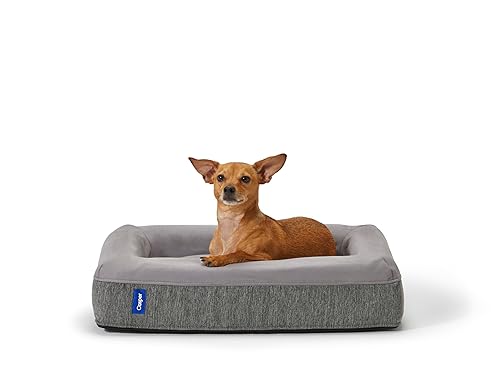 Casper
Casper Dog Bed
Check priceMemory foam bed with excess foam removed from the center to cradle dogs while supporting their pressure points.
Our hands-on take
Our Shepherd mix took to this bed immediately — the slight rim gives her something to rest her head on without being a full bolster. The memory foam offers great pressure relief, but we noticed she avoids it on warm days since it sleeps hot. Cover washes beautifully (we've done it four times), though the zipper is positioned awkwardly and takes patience to close fully.
- Unique shape cradles without swallowing smaller dogs
- Cover holds up to repeated washing
- Good balance of support and softness
- Sleeps warm in summer months
- Awkward zipper placement
 BuddyRest
BuddyRest Crown Supreme Orthopedic Bed
Check priceFour layers of CertiPUR-US certified memory foam totaling 6 inches, with a waterproof inner liner and machine-washable cover.
Our hands-on take
This bed is a tank — the waterproof liner saved us when our senior dog had an accident, and the outer cover zipped off easily for washing. The four-layer foam system is noticeably firmer than others we tested, which our Rottweiler loved but might be too stiff for dogs who like to sink in. After six weeks, there's zero sagging or compression where she sleeps.
- Waterproof liner is a lifesaver for senior dogs
- Exceptional durability with no sagging
- Firmer support great for heavy dogs
- Too firm for dogs who prefer plush beds
- Cover fabric shows dirt easily
 Kuranda
Kuranda Dog Bed
Check priceElevated chew-proof bed with aluminum frame and breathable fabric, designed for durability and joint support through elevation.
Our hands-on take
We put this in our testing rotation specifically for our Lab with hip dysplasia, and the elevated design makes standing up noticeably easier for her — she doesn't have to push out of deep foam. The breathable fabric keeps her cool, which she loves in our warm climate. That said, it's not cozy, and our nest-loving dogs ignored it completely in favor of softer options. It's bomb-proof, though, and still looks pristine after two months.
- Virtually indestructible aluminum frame
- Excellent airflow keeps dogs cool
- Easy in-and-out for dogs with mobility issues
- No cushioning or nest-like comfort
- Some dogs never warm up to the elevated style
 PetFusion
PetFusion Ultimate Dog Bed
Check priceSolid 4-inch memory foam base with bolster sides, water-resistant cover, and three-year warranty.
Our hands-on take
This hit the sweet spot for our senior dogs — thick enough for real support but low-profile enough that our 13-year-old arthritic Lab could step onto it without hesitation. The bolster gives head-resters a place to snuggle, and the cover's water resistance held up when we deliberately spilled water on it (it beaded up and wiped away). The foam is softer than Big Barker's, which some dogs prefer but means it'll probably compress faster over years of use.
- Low profile makes entry easy for arthritic dogs
- Bolster sides without being overly bulky
- Water-resistant cover actually repels liquid
- Foam softer than premium competitors
- Bolsters flatten with heavy leaning over time
Liked this review?
Get one fresh, honest pick in your inbox every Tuesday.